Hi Everyone!
I want to address a common question and focus of so many of my sessions. What should my fitness look like when i am “fill in the blank”. What should I focus on when I am pregnant, postpartum, perimenopausal, and menopausal?
Even though we have a come a long way in learning the value of fitness, there are still so many unanswered questions. What is safe? Where should I focus my (valuable and limited) time? Do my needs change?
Pregnancy is not a time to start a brand new exercise program that your body is unfamiliar with. PRE-CONCEPTION is really the best time to start integrating new exercise that can boost blood flow and mental clarity.
Pregnancy:
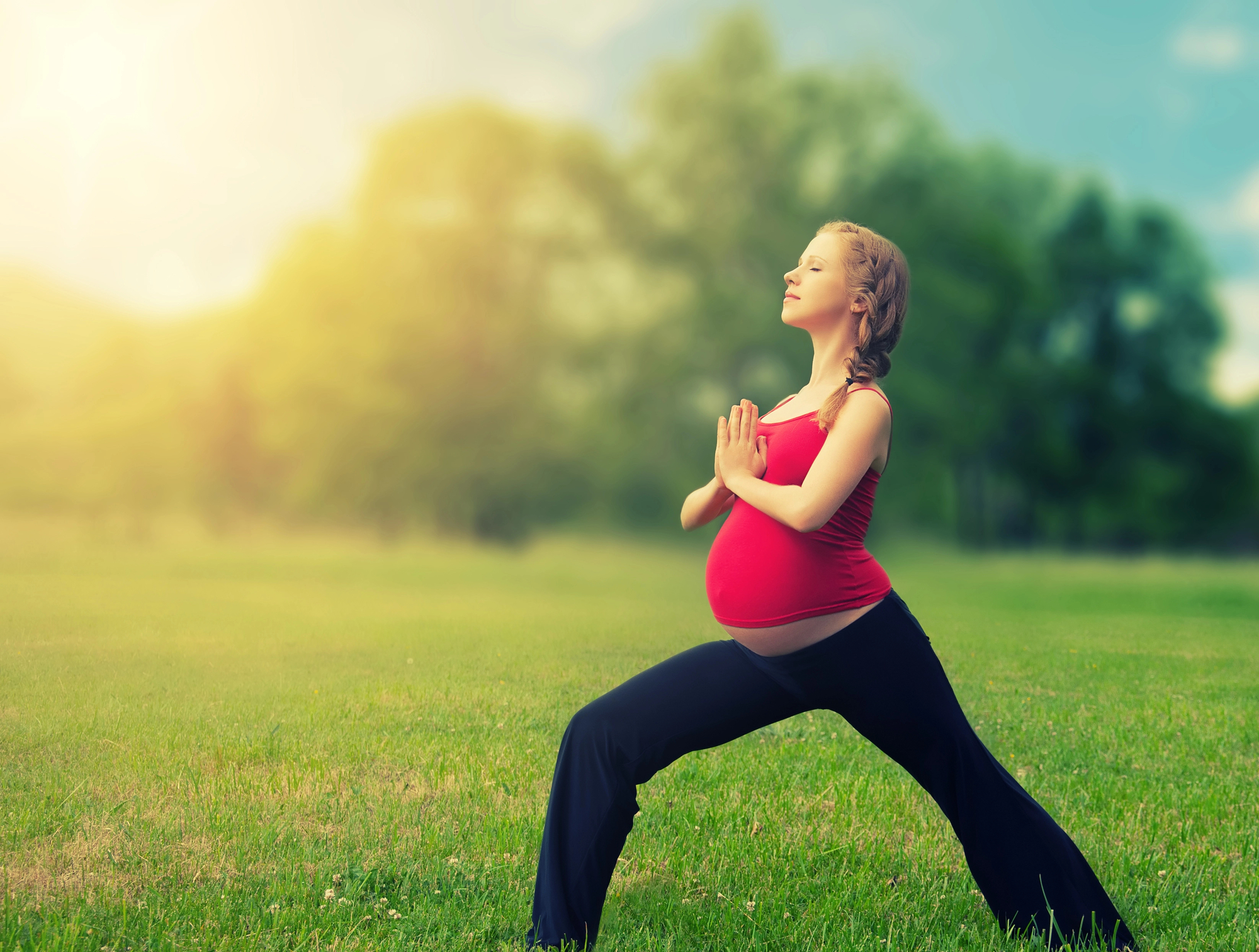
A special combination: Cardiovascular and resistance training are both important during pregnancy. Obviously, our abilities will start to look different as the weeks pass. Progesterone increase and decreased space in the abdomen will cause shortness of breath and make some exercises like jumping and running more uncomfortable.
It is NOT unsafe to workout hard during pregnancy. There is no correlation between exercises and pregnancy loss or any risk to mom or baby. It is important to make sure you are moving at a pace where you can still hold a conversation. If you are too winded, rest.
Lunges, deep squats, and single leg resistance exercises are ideal during pregnancy. As long as you aren’t experiencing any discomfort in your pubic area, pelvis, or low back, physical therapy can help! Overall, these movements will improve the strength and mobility of your pelvis, aiding in your labor, delivery, and recovery.
Do take care with flexibility: The increase in the hormone relaxation can make expectant women a bit more bendy then they are used to. Try not to go beyond comfort to avoid injury with this excessive mobility.
Labor and Delivery is a DEMANDING physical task. Preparing your body will assist you in delivery and aid in your postpartum recovery.
Postpartum:
Early Postpartum: There are many phases to postpartum recovery. Generally, early exercises will focus on breathing, mid back mobility, recovery and healing. Taking the time to allow your body to heal from labor and delivery is IMPERATIVE. The correct movements will help you feel good throughout your time of rest and recovery.
Method of delivery can also impact what movements you choose, or don’t choose in your recovery process. C-section moms will require abdominal scar tissue mobilization while vaginal birth moms may need perineal scar mobilizations.
Postpartum is so unique depending what activity you want to return to. There are dozens of programs out there, but working with a professional that understands your athletic needs is irreplaceable. Reconnecting to the abdominals, integrating your entire thoracic cavity when breathing, postural exercise, and endurance are the foundation of postpartum rehab.
Perimenopause:
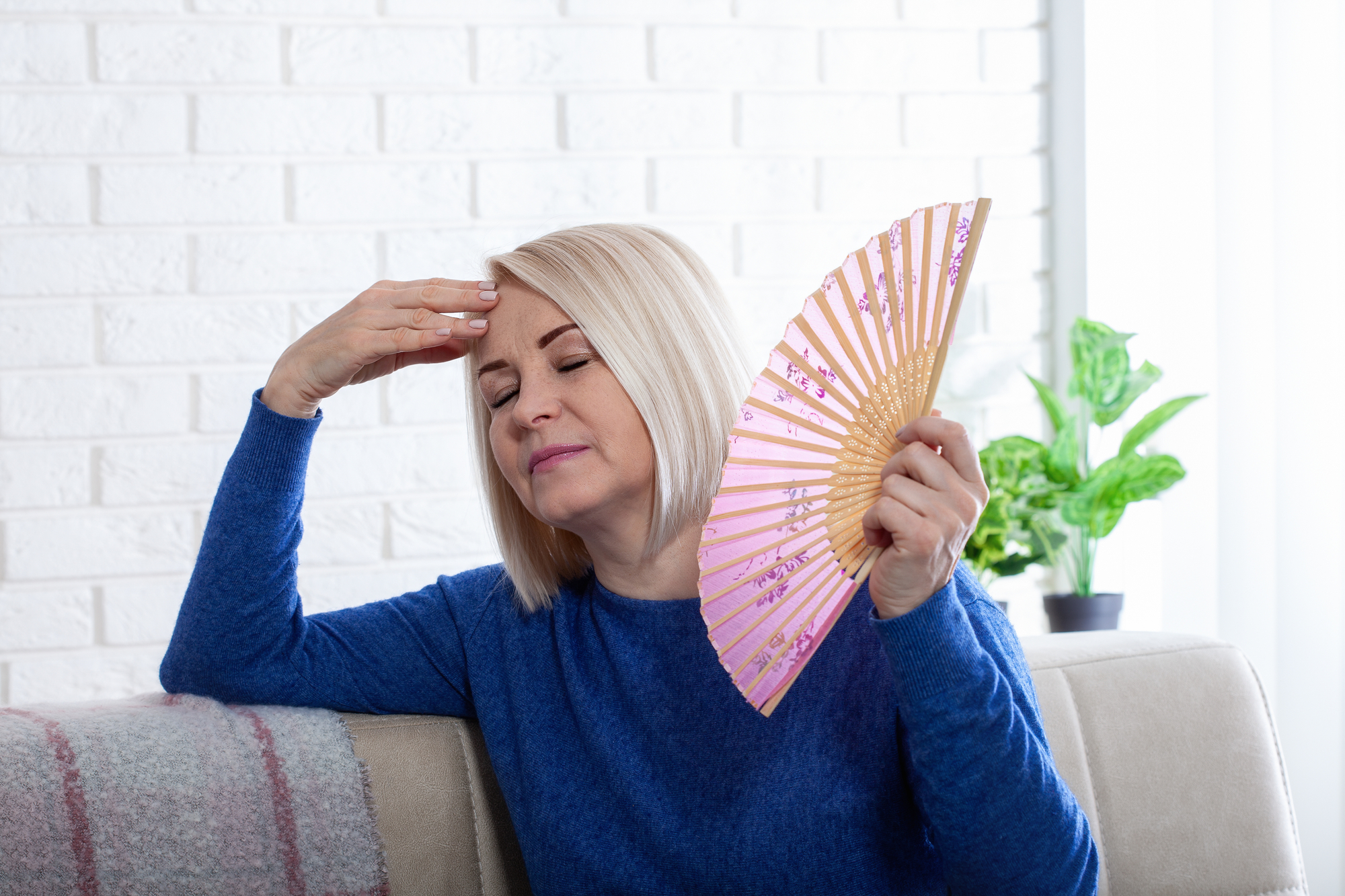
Consistency is key: Our body is being introduced to so many changes during perimenopause. Being consistent with an activity that you enjoy is key to managing a slowing metabolism, maintaining bone density, and managing stress and cortisol levels.
Strength training is the best way to improve bone density and fight against muscle loss that often comes with a hormonal shift. Increased muscle mass will also help to boost metabolism during a season of life where it tends to slow down. Ladies, hear me- Lift. Heavy. Weights. Maybe not right away, but build to wait feels heavy for you. You are not destined to 1-5lb dumbbells. Building muscle is absolutely KEY in this season of life.
Menopause:
Don’t ever overlook consistency: Just like in perimenopause being consistent with an activity that you enjoy is so important. Managing a slowing metabolism, maintaining a healthy bone density and heart health, managing stress levels are all incredible benefits of consistent exercise during menopause.
Recovery may start to look different: Pay attention to how your body responds to exercises. You may have to manage intensity and duration and make recovery more of a priority during menopause. I don’t mean more time of nothingness! I do mean a more specific warm or cool down, integrating more stretching, or some dosed rest.
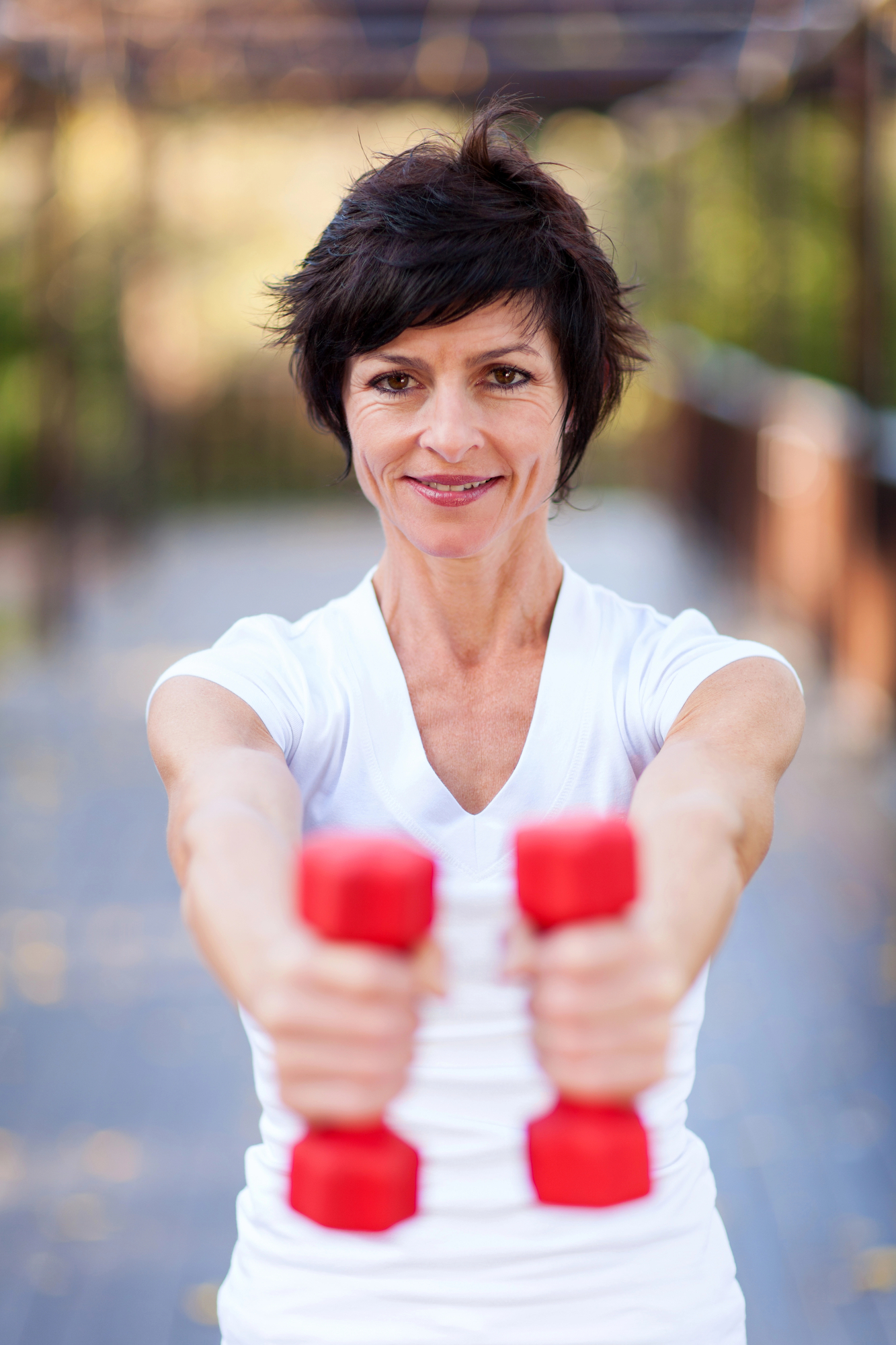
LIFT. HEAVY. WEIGHTS: Ladies, hear me again. Strength training will boost metabolism, decrease stress and release endorphins, and maintain a healthy bone density. All of these things tend to take a hit during menopause. Build to a weight that is challenging for you for 6-8 repetitions. Target major muscle groups 3 times per week or more. These exercises are safe and incredibly beneficial!
Don’t fall off on balance: As we age and our hormones and muscle elasticity changes. We want to challenge our balance to encourage a decreased fall risk. Balance challenges like Tai Chi and Yoga can also improve our neuromuscular coordination.
Stay Hydrated: Hydration tends to take a real hit with the hormonal changes of menopause. Also, many menopausal women restrict water intake to avoid leaking or urinary urgency. While these symptoms are common, they are not normal and should be addressed in pelvic floor PT so you can stay safely hydrated.
Final Thought
There are SO many variables and connecting with a professional for your individual needs is imperative for your specific goals. My goal is to shed some light on the the pillars that I find are often missed or neglected in each phase.