Congratulations on the birth of your baby! Whether it was planned or unexpected, a C-section is a major abdominal surgery that requires careful recovery. Ethos is here to guide you through the nuances of C-section recovery. This often-overlooked area plays a crucial role in your overall postpartum recovery and long-term health.
Understanding the Pelvic Floor Post-C-Section
While a C-section sometimes avoids the trauma to the pelvic floor that can come with vaginal delivery, it doesn’t mean the pelvic floor is unaffected. Pregnancy itself exerts significant pressure on the pelvic floor muscles. The incision and healing process can lead to compensatory patterns in movement and posture, affecting pelvic floor function. If you are one of the lucky women that also pushed for an extended period of time prior to having your C-section, your pelvic floor can be impacted by that prolonged stress and strain.
Early Days Post-C-Section: Rest and Gentle Movement
1. Rest is Crucial: In the first few days post-surgery, rest as much as possible. Your body needs time to heal from the incision and the stresses of surgery.
2. Gentle Mobilization: Start with gentle movements to encourage circulation and prevent complications like blood clots. Simple mid and low back mobility, gentle walking, and deep breathing exercises are safe and beneficial.
3. Incision Care: Follow your healthcare provider’s instructions for caring for your incision site to avoid infection and promote healing. Monitor for any discharge or opening at the site and contact your OB if you have any concerns
Breathing and Posture
1. 360 Breathing: Practice deep breathing exercises. This not only helps in relaxation but also aids in gently activating your core muscles, improving circulation around the incision area, improves tissue mobility, and spinal mobility.
2. Posture Awareness: Maintaining good posture can prevent additional strain on your healing abdomen and pelvic floor. When sitting or standing, try to keep your spine neutral and avoid extending at your low back and rounding your shoulders. If you are breastfeeding, consider regular gentle thoracic mobility and posture exercises to avoid increased pain or tightness.
Introducing Pelvic Floor Exercises
1. Pelvic Floor Awareness: Begin by simply becoming aware of your pelvic floor muscles. Lying down comfortably, try to gently engage and release these muscles without straining. Coordinate this with your breathing, relaxing the muscles on your INHALE and engaging them on your EXHALE.
2. Avoid Overdoing It: It’s crucial to avoid intense exercise or heavy lifting in the initial weeks. Listen to your body and gradually increase activity as you feel stronger.

Addressing Core and Abdominal Recovery
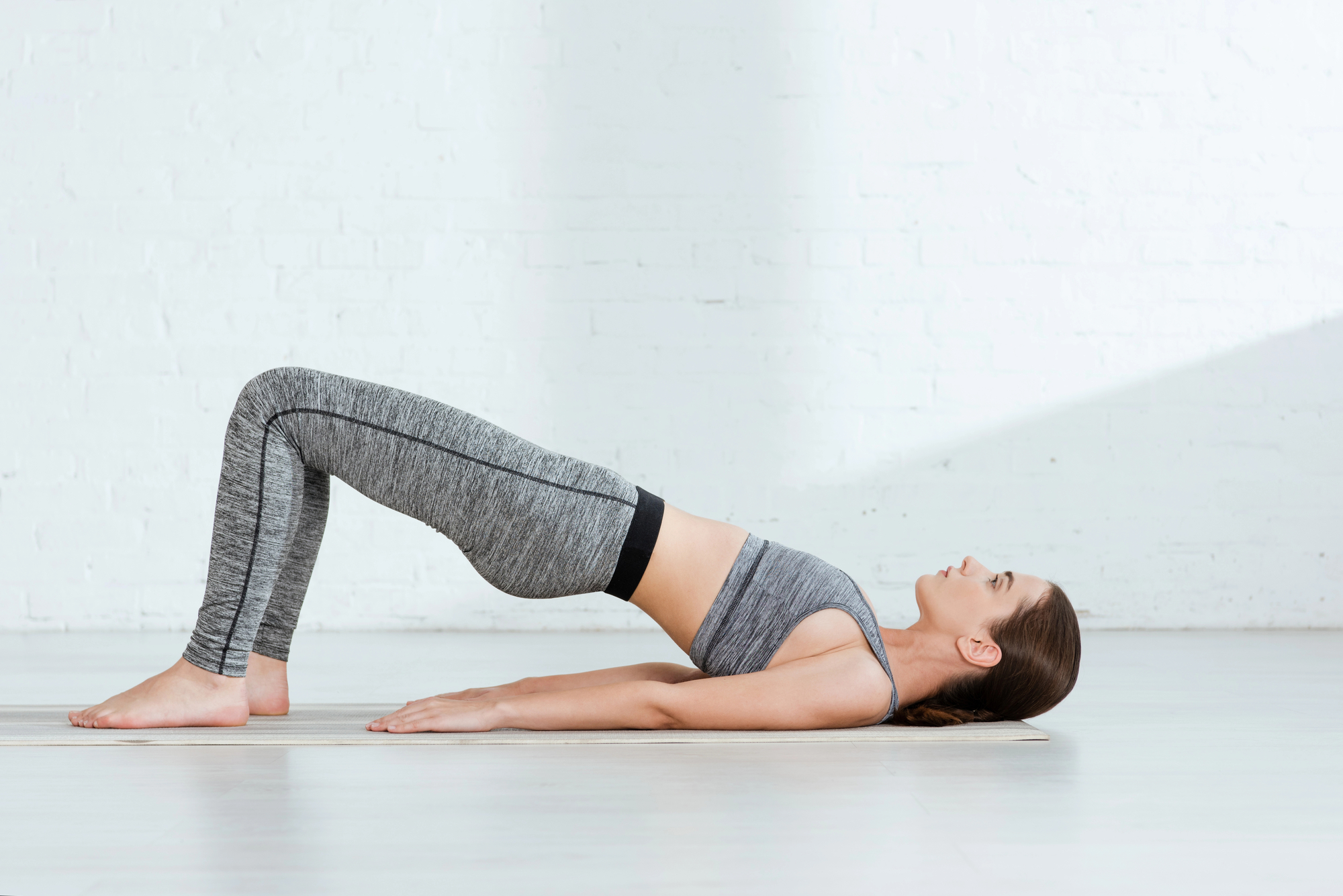
1. Gradual Core Engagement: As your incision heals, begin to incorporate gentle core exercises. Start with exercises like pelvic tilts and gentle abdominal engagement with your 360 breathing. Avoid crunches, planks, russian twists or any exercises that put excessive pressure on your abdomen.
2. Pelvic Tilts: Lying on your back with your knees bent, gently tilt your pelvis upwards, engaging your lower abdominal muscles. This can help in reconnecting with your core without straining your incision.
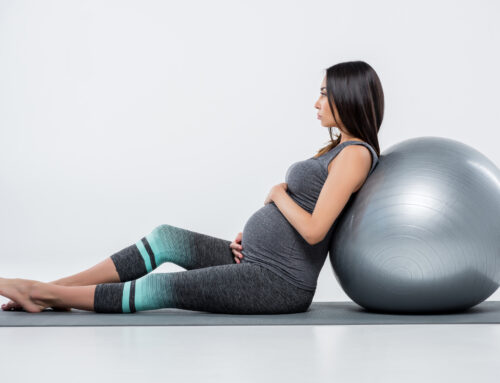
3. Changing positions: Consider abdominal engagement with breathing in varied positions. Lying on your back or your side, supported on your hands and knees, or sitting on a physioball are all great options.
Managing Pain and Discomfort
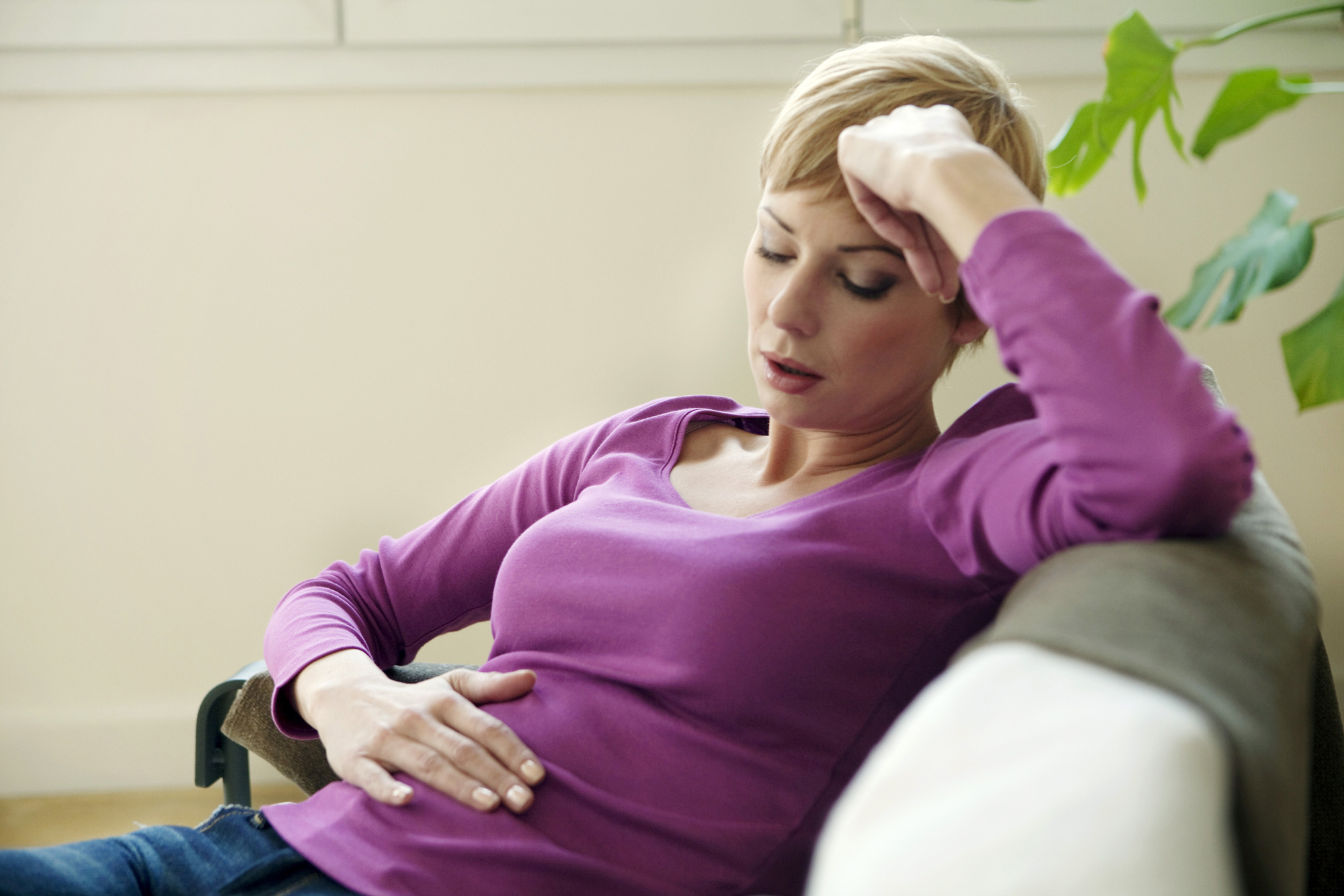
1. Pain Management: Follow your healthcare provider’s recommendations for pain management. This might include prescribed medications or over-the-counter options.
2. Scar Tissue Massage: Once your incision has fully healed, and with guidance from a healthcare provider, you can begin gentle scar tissue massage to prevent adhesions and improve tissue mobility and your ability to engage your lower abs.
Seeking Professional Help
1. Pelvic Floor Therapy: Consider seeing a pelvic floor physical therapist for a personalized assessment and tailored exercise program. At Ethos we work to address specific concerns such as pelvic pain, incontinence, difficulties with core strength or returning to your activities. We also utilize techniques for scar mobilizations and nerve regeneration to get you feeling your best!
2. Don’t hesitate: If you experience symptoms that aren’t resolving, don’t assume this is your new normal. There are SO many things that can be done to help you feel like yourself and thrive during your postpartum period.
Final Thought
Recovering from a C-section is a journey that requires patience and self-care. By focusing on gentle movements, proper posture, and gradual strengthening of the pelvic floor and core, you can support your body in healing effectively. Remember, every recovery is unique. Listen to your body, seek professional guidance when needed, and celebrate the small milestones along the way. Your body has done something amazing, and with the right care, it will regain strength and resilience.
Happy Healing!!
Dr. Jill