When it comes to pediatric pelvic health, one of the most common and often overlooked issues is constipation. This condition, which affects many children worldwide, can significantly impact a child’s comfort, well-being, and overall health but is often brushed under the rug. Understanding the causes, symptoms, and treatments of constipation in children is essential for parents, and children. At Ethos pelvic health and wellness, we want to catch these kiddos before they are chronically constipated.
Understanding Constipation in Children
Constipation is a bigger deal than many people realize! Pelvic floor PT’s are in a prime position to tackle this issue before it can lead to bigger more difficulty to solve dysfunctions.
About half of constipated kids don’t even think they have a problem! Another 50% don’t even mention their symptoms to anyone! It’s important to get a clear picture of how often they go and what their poop looks and feels like to get the whole story.
Constipation in children is typically defined as having fewer than three bowel movements per week, hard or dry stools, and difficulty or pain during defecation, but this often doesn’t give the whole picture. Several factors can contribute to constipation in children. Some essential questions I ask my families are:
- How often does your child have a bowel movement?
Does your child have difficulty passing stools?
Has there been a change in the frequency of consistency of your child’s bowel movements?
Does your child avoid going to the bathroom? - What does your child’s stool look like? (hard, dry, small, large, lumpy, piecey, etc)
Have you noticed any blood in your child’s stool?
Does your child experience pain or discomfort during bowel movements? - Diet and fluid intake:
What does your child typically eat or drink in a day?
How much vegetables, fruits, and whole grains?
How much water does your child drink?
Has there been recent dietary changes? - Medical History:
Does your child have a history of constipation or digestive issues?
Is there a family history of constipation?
Has your child has any recent illnesses or medication changes? - Behavioral/Emotional:
Does your child show any discomfort or irritability before or after bowel movements?
Has your child experienced any stressful events or life changes recently?
Does your child express fear or anxiety about using the toilet? - Physical:
Have you noticed any bloating or abdominal pain in your child?
Does your child complain of a feeling fullness or incomplete emptying after going to the bathroom?
Have you observed any soiling or accidents in your child’s underwear? - Toilet Routine:
Does your child have a regular toilet routine?
Does your child feel comfortable on the toilet/ what are the child’s toileting mechanics?
Does your child feel comfortable using the toilet in other places? - Sleep Habits:
Does your child experience any disruptions in sleep patterns like; waking up frequently, snoring, bedwetting?
Have you noticed any changes in your child’s sleep habits recently?
Preventing and Managing Constipation
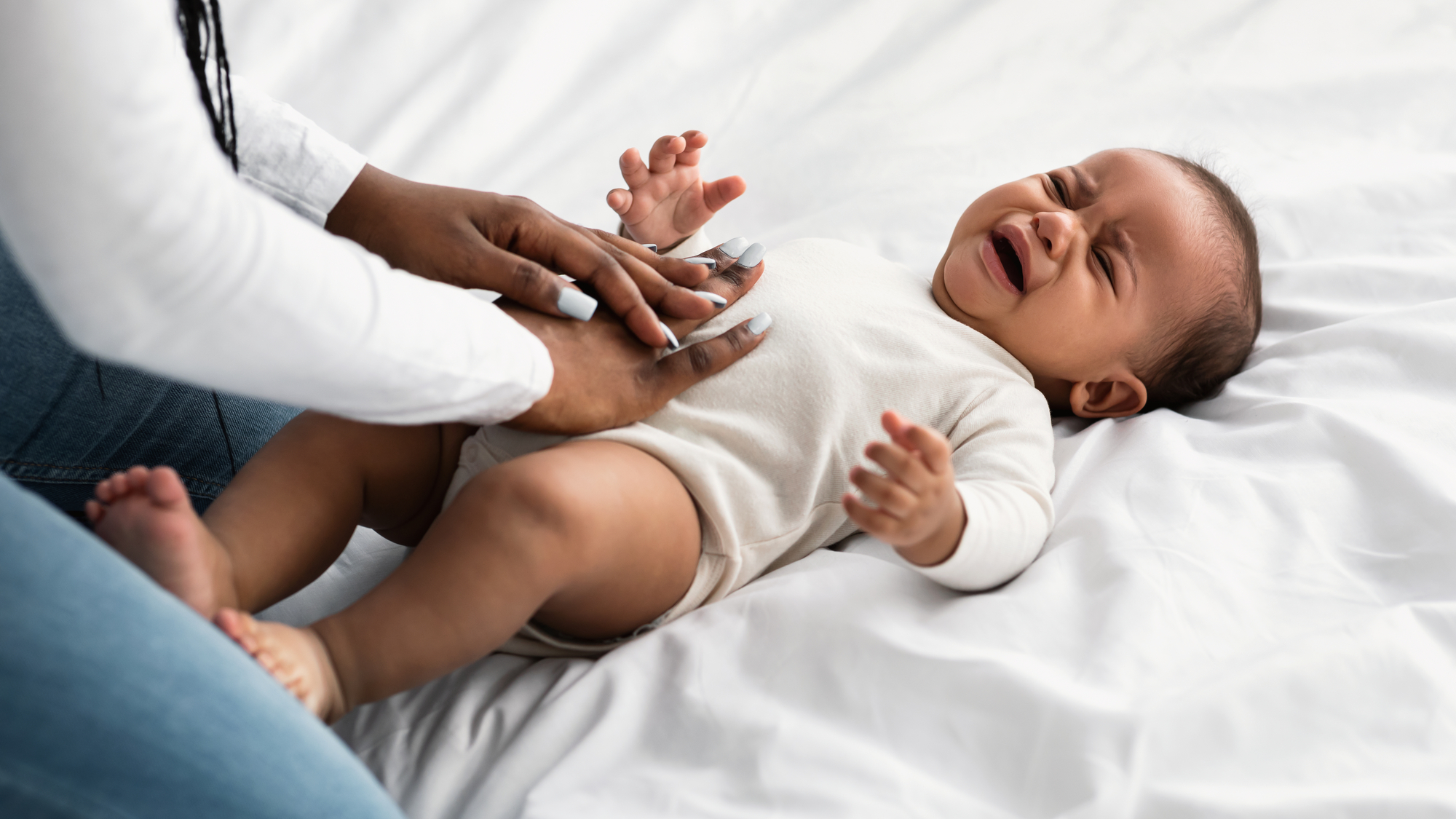
Many families can be dismissed with quick fixes but addressing the underlying issue is crucial! Constipation can often look like more than a bowel issue. Establishing good bowel health from a young age can help prevent other consequential dysfunctions like; bed wetting, daytime leaks, urinary tract infections, fecal impactions, nutrient malabsorption, anxiety, decreased self-esteem, and more.
Diet and Hydration
Ensuring a balanced diet rich in appropriate fiber (soluble vs insoluble) is crucial. Foods like fruits, vegetables, whole grains, and legumes can help keep the digestive system functioning smoothly. Additionally, encouraging children to drink plenty of water throughout the day helps soften stools and promotes regular bowel movements.
Establishing a Routine
At Ethos I encourage my families to use a bladder and bowel diary to track progress and identify any triggers. Setting a consistent bathroom schedule, such as after meals, can help establish regular bowel movements. It’s also important to create a relaxed environment where the child feels comfortable using the toilet without rush or pressure.
Toileting mechanics
The way your kiddo sits on the toilet can really impact their ability to move their bowels! Making sure their feet are supported, and back isn’t rounded is a good place to start. Make sure they feel safe and comfortable so they can spend some time on the potty.
Final Thought
Fixing constipation isn’t always a quick fix, but getting these kids into pelvic floor PT sooner rather than later can really impact their overall prognosis and length of care. Ethos Pelvic Health is located in Bedminster, NJ and we are here and ready to help your family!