Prostatectomy, the surgical removal of the prostate gland, is a common procedure for men dealing with prostate cancer or benign prostatic hyperplasia, or enlarged prostate (BPH). While the surgery can be crucial, it often comes with significant post-operative challenges including urinary incontinence and erectile dysfunction. One proactive step men can take to mitigate these issues is seeing a pelvic floor physical therapist (PFPT) before undergoing a prostatectomy.
At Ethos, I educate my patients on the pelvic floor muscles, ligaments, and tissues that support the bladder, rectum, and, in men, the prostate. These muscles play a vital role in urinary and bowel control, as well as sexual function. When the prostate is removed, the pelvic floor muscles can be disrupted, leading to complications that affect a man’s quality of life.
Reasons I want you to come to me BEFORE you have surgery:
1. Improved Recovery Outcomes
Preoperative pelvic floor physical therapy can significantly improve recovery outcomes post-prostatectomy. By strengthening the pelvic floor muscles before surgery, men can reduce the severity and duration of urinary incontinence. Research shows that those who engage in pelvic floor muscle training before their surgery regain urinary control faster than those who do not.
2. Improved Bladder Control
One of the most common side effects of prostatectomy is urinary incontinence. Pelvic floor physical therapy focuses on exercises that strengthen the muscles responsible for bladder control. Learning and practicing these exercises before surgery helps men gain better control over their urinary function, reducing the incidence of post-operative leakage and urgency.
3. Better Sexual Function
Erectile dysfunction is another common issue following prostate surgery. The pelvic floor muscles are integral to erectile function and ejaculatory control. By working with a PFPT, men can improve the strength and coordination of these muscles, which can help in maintaining sexual function post-surgery. Pelvic floor exercises also increase blood flow to the area, aiding in the recovery of erectile function.
4. Education and Empowerment
Seeing a pelvic floor physical therapist before surgery provides men with valuable education about their pelvic anatomy and how to engage their pelvic floor muscles effectively. This knowledge empowers them to take an active role in their recovery. Understanding how to perform exercises correctly can make a significant difference in the effectiveness of the therapy.
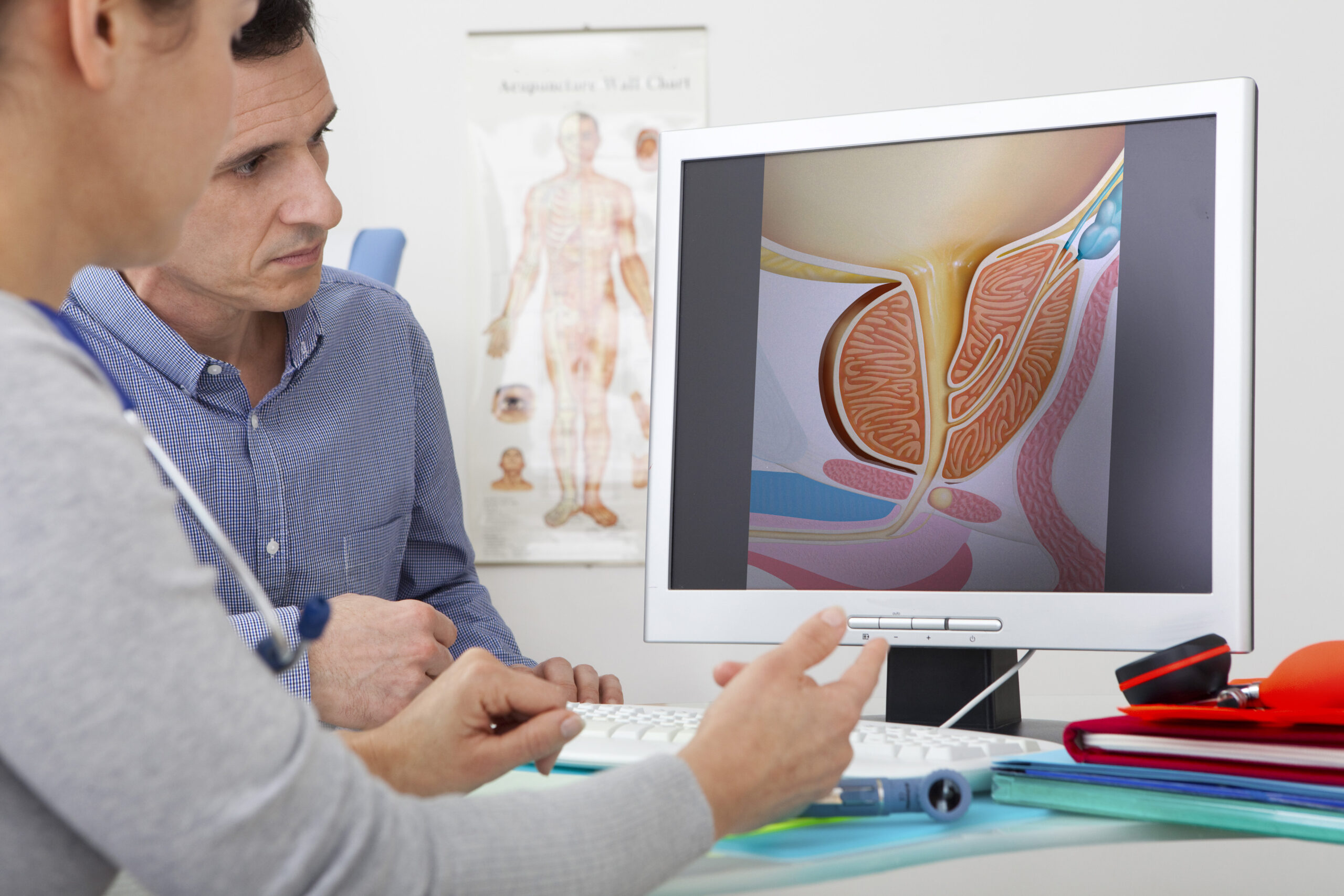
What to Expect During a Pelvic Floor Physical Therapy Session
During a pelvic floor physical therapy session, the therapist will conduct a thorough assessment to understand the patient’s baseline pelvic floor function. Most importantly, a thorough discussion about your general bowel, bladder, sexual function, and surgical concerns, urinary and bowel habits, and a review of any symptoms related to pelvic floor dysfunction. At Ethos, I perform a full external functional assessment of the patients hip strength, core strength, functional movement patterns, and breathing patterns. An intrarectal assessment of pelvic floor muscle strength and coordination will also help us establish a baseline and procure an appropriate plan of care.
Based on this assessment, I design a personalized exercise program that is focused on your individualized goals. This program can include:
Pelvic floor strengthening exercises: These exercises involve contracting and relaxing the pelvic floor muscles to build strength and endurance.
Pelvic floor coordination exercises/biofeedback: These techniques help patients learn how to use their pelvic floor muscles more effectively.
Manual therapy: Hands-on techniques may be used to address any muscle tension or imbalances in the pelvic floor.
Education: Patients will receive guidance on proper techniques for performing exercises, as well as lifestyle and behavioral modifications to support and achieve their goals.

Final Thought
Visiting Ethos Pelvic Health before a prostatectomy is a proactive step that can significantly enhance a man’s post-operative recovery and overall quality of life. By strengthening the pelvic floor muscles, improving bladder and sexual function, and reducing the risk of complications, pelvic floor physical therapy offers a holistic approach to preoperative care. If you or someone you know is facing a prostatectomy, consider consulting with us to ensure the best possible outcomes and a smoother recovery journey! We are located in Bedminster, NJ for in person appointments but offer virtual health options!